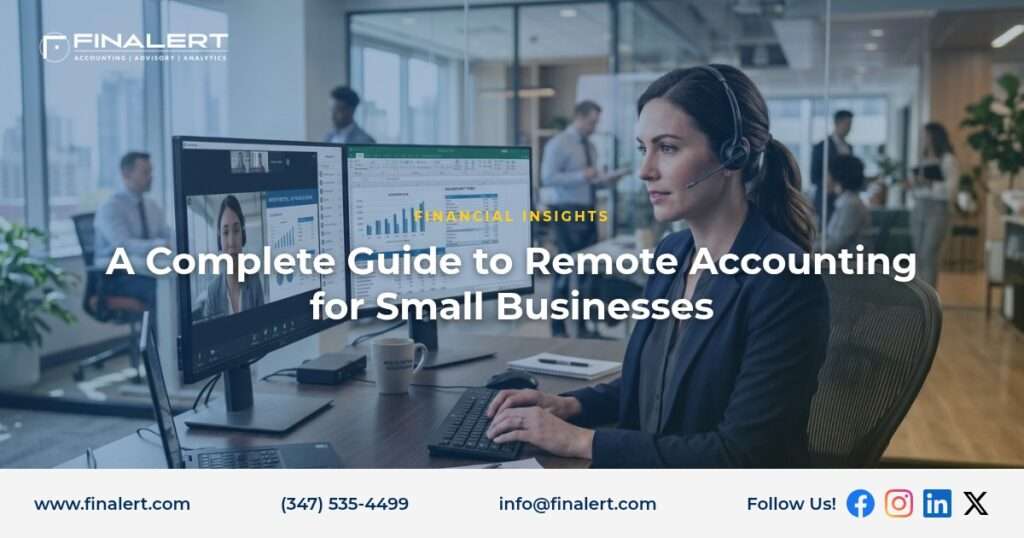
In today’s fast-paced business environment, remote accounting has gained significant traction, especially among small businesses. As technology continues to evolve, the traditional accounting landscape is shifting towards more flexible, digital solutions. Remote accounting not only provides efficiency and cost savings but also enables businesses to leverage specialized financial expertise without geographical constraints. This complete guide aims to provide small business owners with comprehensive insights into remote accounting, its benefits, effective strategies, and how to implement it successfully.
Remote accounting is quickly becoming a necessity for small businesses seeking to improve their financial management practices. The rise of digital tools and platforms has made it easier than ever to maintain accurate financial records without being physically present in an office. Here are several reasons why remote accounting is essential:
For example, a small startup in Cleveland reduced its accounting costs by 30% by transitioning to a remote accounting model. By outsourcing bookkeeping and payroll functions, the company could focus on product development and customer acquisition.
Moreover, remote accounting is essential for maintaining compliance with ever-evolving regulations. Having a dedicated team of experts ensures that small businesses stay up-to-date with compliance requirements, mitigating the risk of costly penalties.
Transitioning to remote accounting involves several critical steps that can help streamline the process and ensure a successful implementation. Here are key steps to consider:
For instance, a retail business in New York successfully transitioned to remote accounting by using QuickBooks for bookkeeping and scheduling bi-weekly meetings to discuss financial performance. This approach not only improved financial oversight but also enhanced the company’s ability to adapt to market changes.
While remote accounting offers numerous advantages, small businesses may face various challenges during the transition. Understanding these challenges and knowing how to address them can ensure a smoother process:
For example, a small tech startup faced initial resistance from team members when transitioning to remote accounting. By holding informational sessions that outlined the benefits and demonstrating the software’s ease of use, they successfully gained buy-in from the entire team.
Selecting the right remote accounting partner is critical for your business’s financial health. Here are essential factors to consider when making your choice:
For instance, a Cleveland-based small business chose a remote accounting firm based on their specialization in small business tax services and positive client reviews. This decision led to significant savings and improved financial planning.
At Finalert, we understand the unique challenges faced by small businesses in Cleveland and New York when it comes to accounting. Our team of experts offers tailored general accounting and bookkeeping services designed to meet your needs. We prioritize efficiency, accuracy, and compliance in our remote accounting solutions, ensuring that you receive the highest level of support.
Additionally, our tax services are specifically designed to help small businesses navigate the complexities of tax regulations, maximizing deductions and minimizing liabilities. We work closely with you to develop a strategic tax plan that aligns with your business objectives.
In conclusion, remote accounting is a powerful tool for small businesses looking to streamline their financial processes and enhance efficiency. By understanding the benefits, overcoming challenges, and selecting the right partner, you can effectively implement remote accounting in your organization. If you’re ready to explore how remote accounting can transform your business, contact Finalert today for expert guidance and tailored solutions.
Similar Articles
No results available
Get in touch with Finalert today for tailored business solutions!
No results available
Ready to thrive? Connect with Finalert today and let’s succeed together in the dynamic global market.
© 2025 Finalert. All rights reserved.

Ready to grow with confidence and clarity?
Finalert delivers high-quality accounting, financial advisory, and analytics services tailored to growing businesses providing control, visibility, and decision-ready insight to support sustainable success.
Address
Our Services
Accounting Services
Advisory Services
Industries
Quick Links
© 2026 Finalert® LLC. All Rights Reserved.