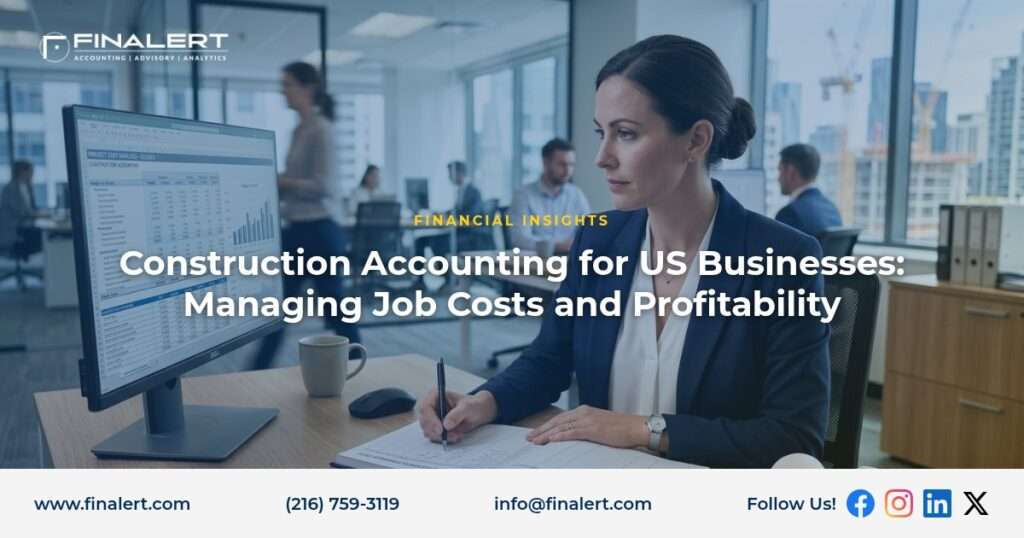
Construction accounting is a specialized field that requires a keen understanding of the unique challenges faced by businesses in the construction industry. With fluctuating job costs, diverse project types, and the constant need for compliance with various regulations, effective financial management is crucial for maintaining profitability. In this blog post, we will explore the intricacies of construction accounting and provide actionable insights to help U.S. businesses manage their job costs and enhance profitability. We will cover essential topics such as job cost tracking, financial reporting, tax implications, and budgeting practices tailored for construction businesses.
Job cost tracking is a critical component of construction accounting, allowing businesses to monitor expenses and revenues associated with specific projects. Accurate job cost tracking enables construction firms to make informed decisions, improve project management, and ultimately enhance profitability.
Here are some key aspects of effective job cost tracking that every construction business should consider:
For example, a Cleveland-based construction firm that implemented detailed job cost tracking saw a 20% reduction in project overruns over the course of a year. By leveraging technology and maintaining ongoing communication among team members, they were able to pinpoint inefficiencies and allocate resources more effectively.
Moreover, according to a 2022 survey by the Associated General Contractors of America (AGC), 70% of construction firms that utilize job cost tracking software reported an improvement in their overall profitability.
Financial reporting in the construction industry is governed by Generally Accepted Accounting Principles (GAAP), which provide a framework for transparency and consistency in financial statements. For construction businesses, adhering to these principles is not only essential for compliance but also for building trust with stakeholders.
Key financial reporting requirements for construction companies include:
For instance, a New York-based construction company that adhered to GAAP principles for reporting saw a significant increase in credibility among lenders and investors. This transparency enabled them to secure funding for larger projects and expand their operations.
In 2023, the Financial Accounting Standards Board (FASB) reported that construction companies that consistently follow GAAP guidelines experience a 15% lower audit risk, emphasizing the importance of financial reporting in the construction industry.
Understanding the tax landscape is essential for construction businesses looking to maximize profitability. The construction industry is subject to various tax implications, including deductions and credits that can significantly impact a company’s bottom line.
Here are some tax considerations for construction companies:
A practical example includes a construction firm in Cleveland that utilized the Section 179 deduction to offset the cost of new machinery. By doing so, they reduced their taxable income significantly, which allowed them to reinvest those savings into further expanding their operations.
Additionally, according to the IRS, construction businesses that actively engage in tax planning can save up to 30% on their overall tax liability, showcasing the importance of understanding tax implications in the industry.
Effective budgeting and forecasting are vital components of construction accounting, allowing businesses to plan for future projects and allocate resources efficiently. A well-structured budget enables construction companies to anticipate costs and adjust strategies accordingly.
Here are best practices for budgeting and forecasting in construction:
An example of effective budgeting comes from a New York construction firm that employed a collaborative budgeting approach. By involving team members across various departments, they managed to reduce budget variances by 25% over three years, resulting in improved project profitability.
Research conducted by the Construction Industry Institute indicates that companies that implement rigorous budgeting and forecasting practices can increase their profitability by up to 15% compared to those that do not.
At Finalert, we understand the complexities of construction accounting and the specific needs of businesses in the construction industry. Our tailored services encompass everything from general accounting to financial planning and analysis, ensuring that your business has the support it needs to succeed.
We provide comprehensive bookkeeping services that keep track of job costs, streamline financial reporting, and assist with tax compliance. Our expert team can help you manage your finances effectively, allowing you to focus on what you do best—building and growing your construction business.
In conclusion, construction accounting presents unique challenges that require specialized knowledge and skills. By focusing on job cost tracking, financial reporting, tax implications, and effective budgeting practices, construction businesses can enhance their profitability and ensure long-term success. If you’re looking for expert guidance on construction accounting, contact Finalert today to learn how we can help streamline your financial processes and improve your bottom line.
Similar Articles
No results available
Get in touch with Finalert today for tailored business solutions!
No results available
Ready to thrive? Connect with Finalert today and let’s succeed together in the dynamic global market.
© 2025 Finalert. All rights reserved.

Ready to grow with confidence and clarity?
Finalert delivers high-quality accounting, financial advisory, and analytics services tailored to growing businesses providing control, visibility, and decision-ready insight to support sustainable success.
Address
Our Services
Accounting Services
Advisory Services
Industries
Quick Links
© 2026 Finalert® LLC. All Rights Reserved.